
Robotic Cardiac Surgery in Lucknow: A Modern Breakthrough in Heart Care
Heart disease is one of the leading causes of serious health problems across the world. Fortunately, advancements in medical technology have made heart surgeries safer, more precise, and less invasive than ever before. Robotic Cardiac Surgery in Lucknow is transforming the way complex heart procedures are performed by offering patients advanced treatment with smaller incisions and quicker recovery. This innovative surgical technique combines the expertise of highly trained cardiac surgeons with sophisticated robotic systems, providing improved precision and better clinical outcomes for a wide range of heart conditions.
About us
What Is Robotic Cardiac Surgery?
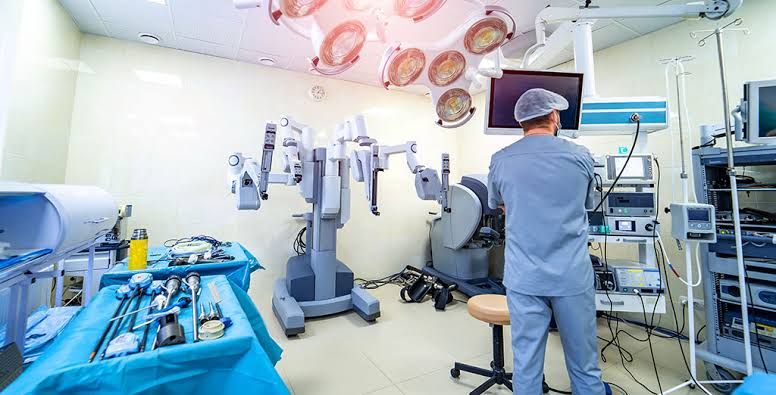
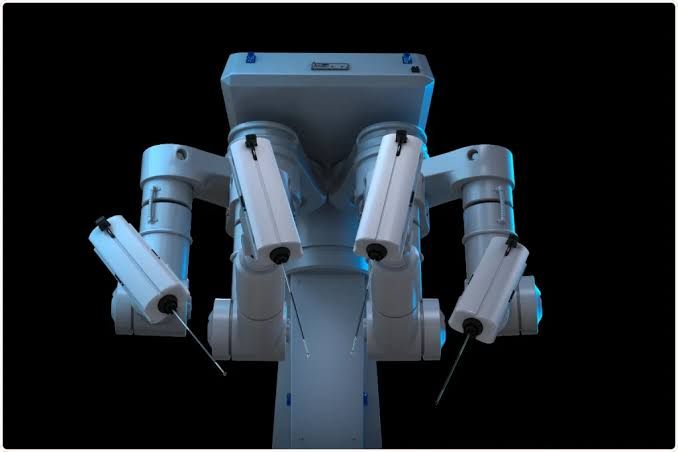
Robotic cardiac surgery is a minimally invasive procedure in which surgeons use robotic-assisted technology to perform delicate heart operations. Unlike traditional open-heart surgery that requires a large incision through the chest, robotic surgery uses several tiny incisions between the ribs.
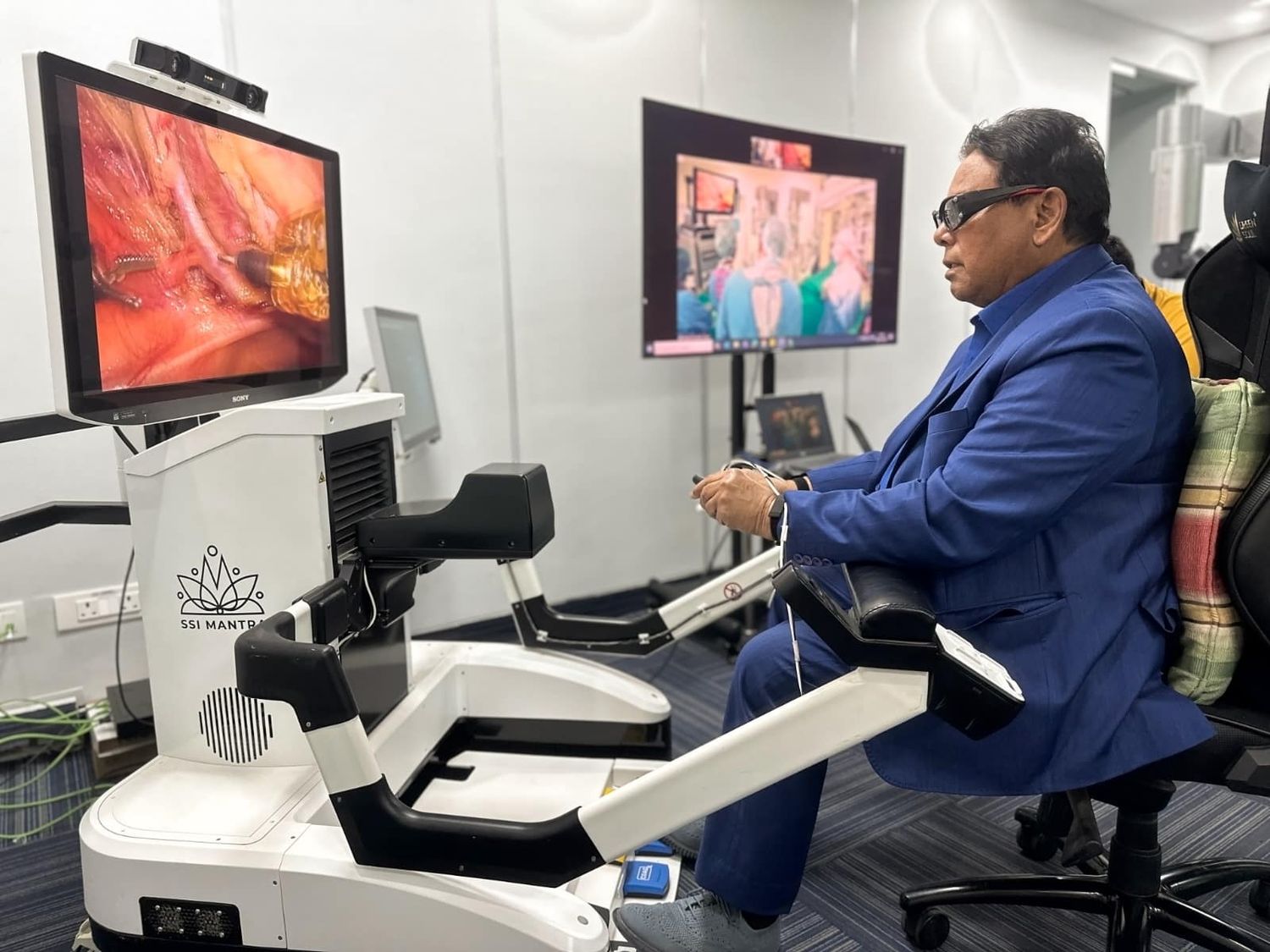
The surgeon operates the robotic instruments from a computerized console while viewing a magnified three-dimensional image of the heart. The robotic system enhances hand movements and precision but remains completely under the surgeon’s control throughout the procedure.
Conditions Treated with Robotic Cardiac Surgery
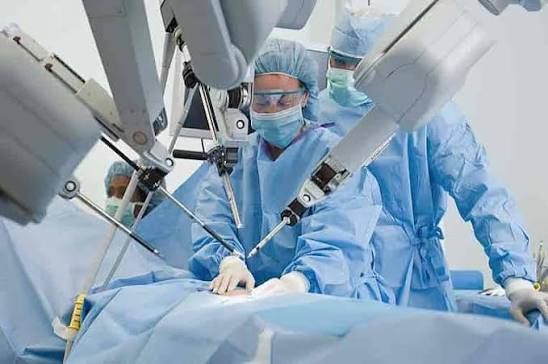
Robotic-assisted heart surgery can be used to manage several cardiac conditions, including:
Mitral valve repair and replacement
Tricuspid valve repair
Atrial septal defect (ASD) closure
Selected coronary artery bypass surgery
Cardiac tumor removal
Surgical treatment of atrial fibrillation
Certain congenital heart defects
A detailed medical evaluation helps determine whether robotic surgery is the most suitable option for each patient.
Treated with Robotic Cardiac Surgery

This is a paragraph. Click edit and enter your own text. You can make changes like making the text bold, underline or italic.
Olivia & Ryan
Benefits of Advanced Robotic Heart Surgery
Robotic-assisted procedures provide numerous advantages compared to conventional heart surgery. These benefits have made robotic technology increasingly popular among patients and healthcare professionals.
Key benefits include:
Smaller surgical incisions
Less blood loss
Lower risk of infection
Reduced postoperative pain
Minimal scarring
Shorter hospital stay
Faster recovery
Improved surgical precision
Earlier return to daily activities
These advantages contribute to greater patient comfort while supporting excellent long-term surgical outcomes.
Our Works
1
2
3
How the Procedure Is Performed
Before surgery, patients undergo comprehensive diagnostic tests, including blood investigations, electrocardiograms (ECG), echocardiography, CT scans, and other imaging studies. These evaluations help surgeons create a personalized treatment plan.
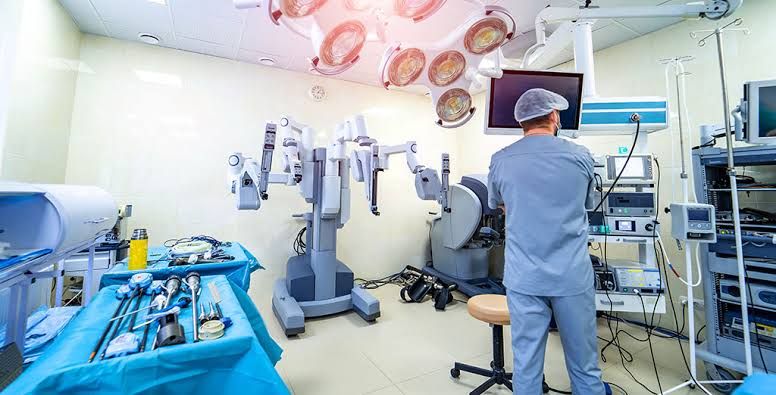
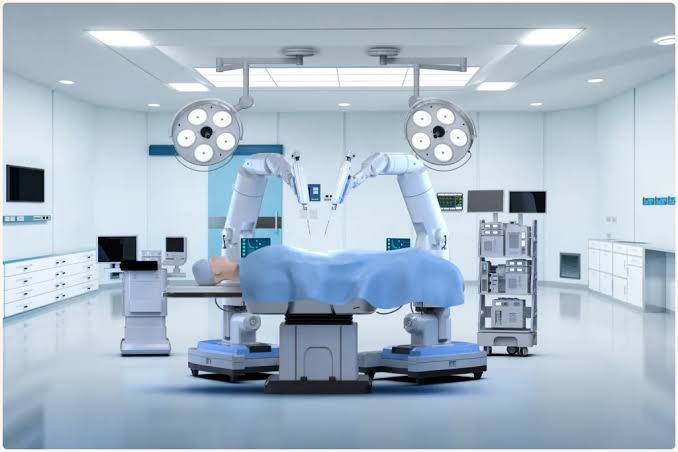
During the procedure, the patient receives general anesthesia. Small incisions are made in the chest through which robotic instruments and a miniature camera are inserted. The surgeon controls every movement of the robotic arms from a nearby console while viewing highly magnified images of the heart. This technology enables accurate surgical movements while minimizing damage to surrounding tissues.