Blood Cancer Symptoms: Early Warning Signs Everyone Should Know
Blood cancer is a condition that affects the blood, bone marrow, and lymphatic system, disrupting the body's ability to produce healthy blood cells. It can impact people of all ages and often develops gradually, making the early signs easy to overlook. Recognizing Blood Cancer symptoms at an early stage is essential because timely diagnosis and treatment can improve outcomes. Understanding the warning signs allows individuals to seek medical attention before the disease becomes more advanced.
What Is Blood Cancer?
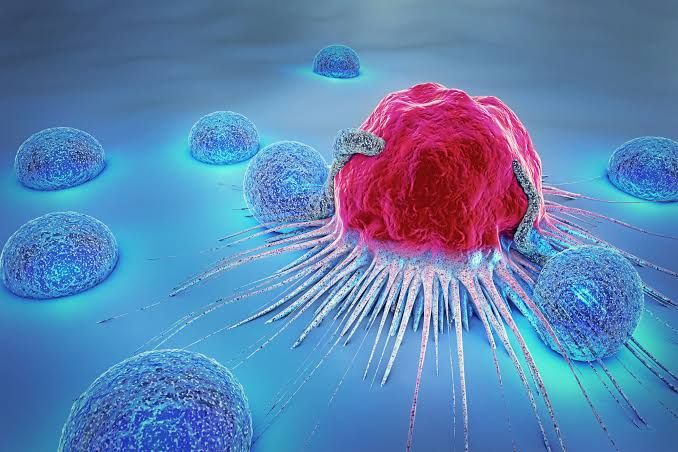
Blood cancer occurs when abnormal blood cells grow uncontrollably and interfere with the production of healthy blood cells. The three primary types are leukemia, lymphoma, and multiple myeloma. These cancers affect different parts of the blood and immune system but all reduce the body's ability to fight infections, transport oxygen, and control bleeding.
Although researchers continue to study the exact causes, factors such as genetic mutations, exposure to radiation, certain chemicals, and family history may increase the risk.
One of the earliest symptoms of blood cancer is constant fatigue that does not improve after rest. This happens because the body may not produce enough healthy red blood cells, leading to anemia.
People often experience weakness, reduced physical strength, dizziness, and difficulty performing routine activities. Persistent tiredness without a clear explanation should always be evaluated by a healthcare professional.
Persistent Fatigue

This is a paragraph. Click edit and enter your own text. You can make changes like making the text bold, underline or italic.
Olivia & Ryan
Frequent Infections
Healthy white blood cells protect the body against bacteria, viruses, and other harmful organisms. Blood cancer can reduce their effectiveness, making infections more frequent.
Repeated fevers, sore throats, chest infections, or illnesses that take longer than usual to recover from may indicate an underlying problem. A weakened immune system should never be ignored.
Unusual Bruising and Bleeding
A decrease in healthy platelets can make bruising and bleeding occur more easily. Some individuals notice frequent nosebleeds, bleeding gums, prolonged bleeding from small cuts, or bruises without any significant injury.
Tiny red or purple spots beneath the skin, known as petechiae, are another possible sign caused by small blood vessel bleeding.